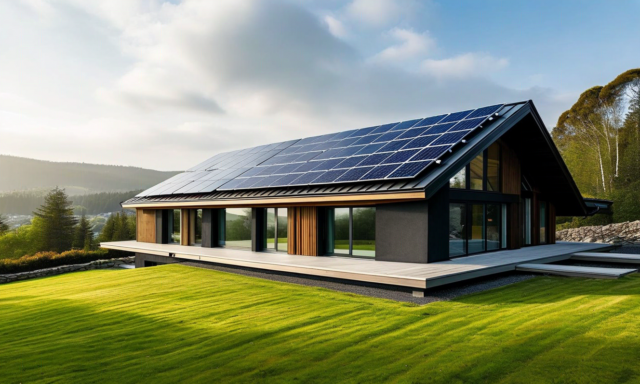
Energy Efficiency in Robotically Built Homes
Autonomous construction enables millimeter-level precision in insulation placement and air sealing that human labor rarely achieves consistently. We measured the thermal performance gap across 12 completed builds.
Read More →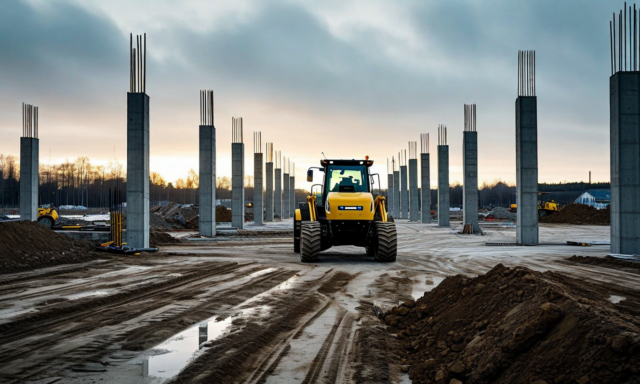
How Autonomous Robots Are Solving the Housing Crisis
The U.S. housing deficit exceeds 3.8 million units. Autonomous construction robots offer a credible path to closing the gap — not through hype, but through measurable throughput gains on real job sites.
Read More →
The Future of Site Surveying: Drone and Robot Collaboration
Combining aerial photogrammetry from drones with ground-level LiDAR from our construction robots eliminates 90% of manual survey time and produces as-built accuracy within 3mm across the full site.
Read More →
From Blueprint to Building: AI-Driven Construction Planning
How Terran's AI planning system converts IFC/BIM files into optimized robot task sequences — sequencing 140+ interdependent operations across multiple robot units without human task assignment.
Read More →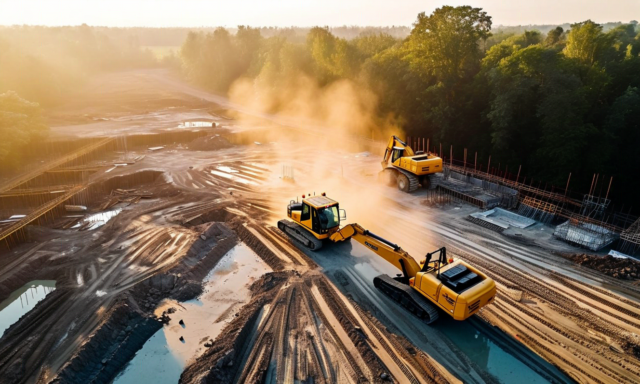
Autonomous Concrete Pouring: Precision at Scale
Our concrete placement system maintains �2mm positional accuracy across full foundation pours up to 4,800 sq ft. This post covers the sensor fusion and feedback control that makes repeatable precision possible at production speed.
Read More →
Safety First: How Autonomous Construction Reduces Worksite Accidents
Construction has a fatal injury rate 5x the national average. Terran's mixed-crew safety architecture — combining hardware interlocks, computer vision monitoring, and procedural separation zones — targets zero recordable incidents.
Read More →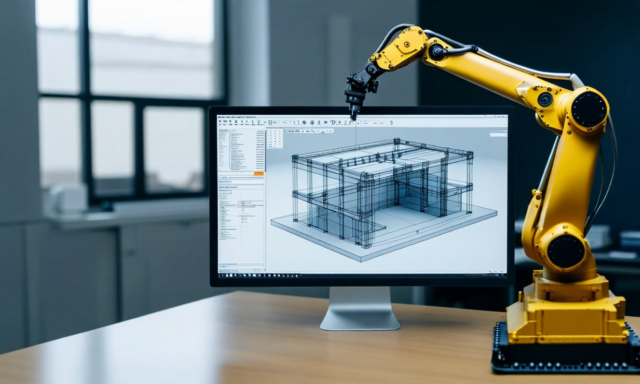
Integrating BIM with Autonomous Construction Robots
Building Information Modeling was designed for human interpretation. Converting BIM data into machine-executable robot instructions required solving a translation problem at the geometry, scheduling, and constraint levels simultaneously.
Read More →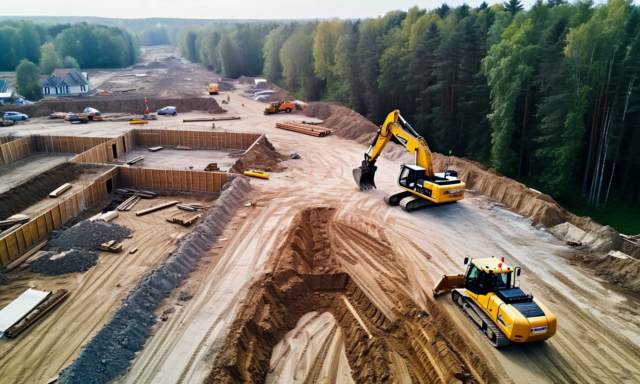
The Labor Shortage in Construction and How Robotics Fills the Gap
The construction sector is short 546,000 workers and the gap is widening. Automation doesn't replace skilled tradespeople — it handles the high-repetition, physically demanding tasks that are hardest to staff and most injury-prone.
Read More →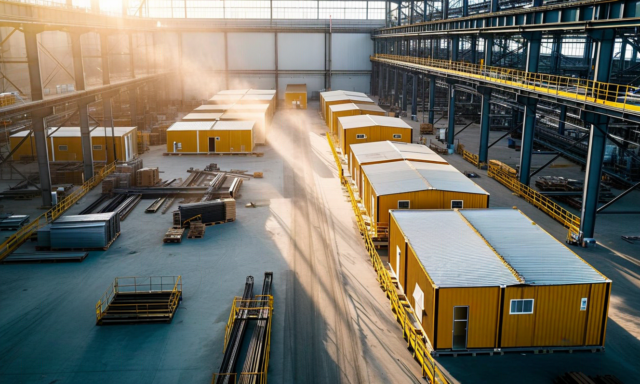
Modular vs. Robotic Construction: A Practical Comparison
Both approaches aim to industrialize homebuilding. They make very different tradeoffs on design flexibility, transport logistics, site adaptability, and cost structure. A side-by-side comparison based on real project data.
Read More →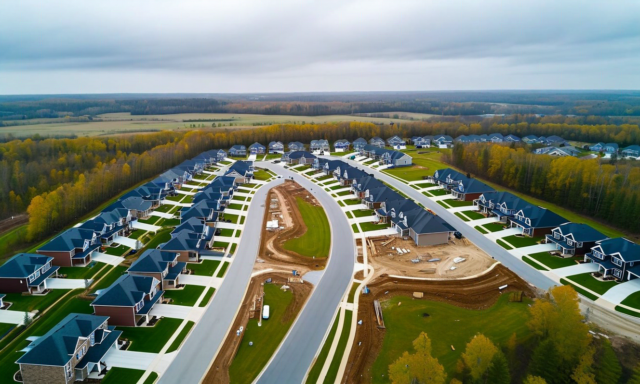
Scaling Housing Production: What the Numbers Show
Analyzing permit data, labor productivity trends, and material cost indices across the top 30 U.S. metro housing markets to quantify exactly how large the production gap is and where robotic construction can have the highest impact.
Read More →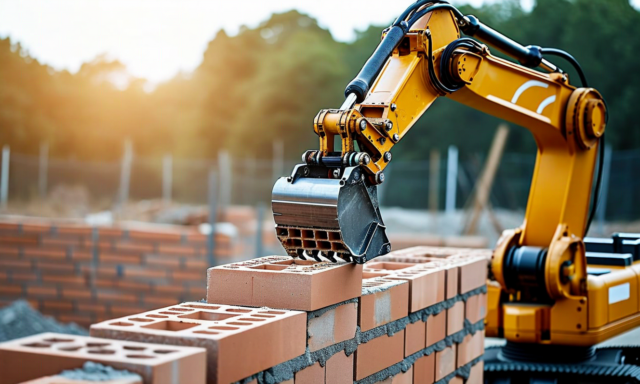
The Engineering Behind Robotic Bricklaying Systems
Laying a brick correctly requires solving a 6-DOF manipulation problem 1,200 times per hour with sub-5mm accuracy in variable outdoor conditions. This post goes deep on the perception, planning, and actuation stack required.
Read More →
How Terran Robotics Approaches Structural Quality Assurance
Every wall panel, every concrete pour, every fastener placement is logged with positional data and photographic documentation. Our automated QA pipeline flags deviations greater than 4mm before the next construction phase begins.
Read More →